Predictive Maintenance Software: What It Is, How It Works, and Top Benefits (2025 Guide)
Facilities Management
Dec 1, 2025
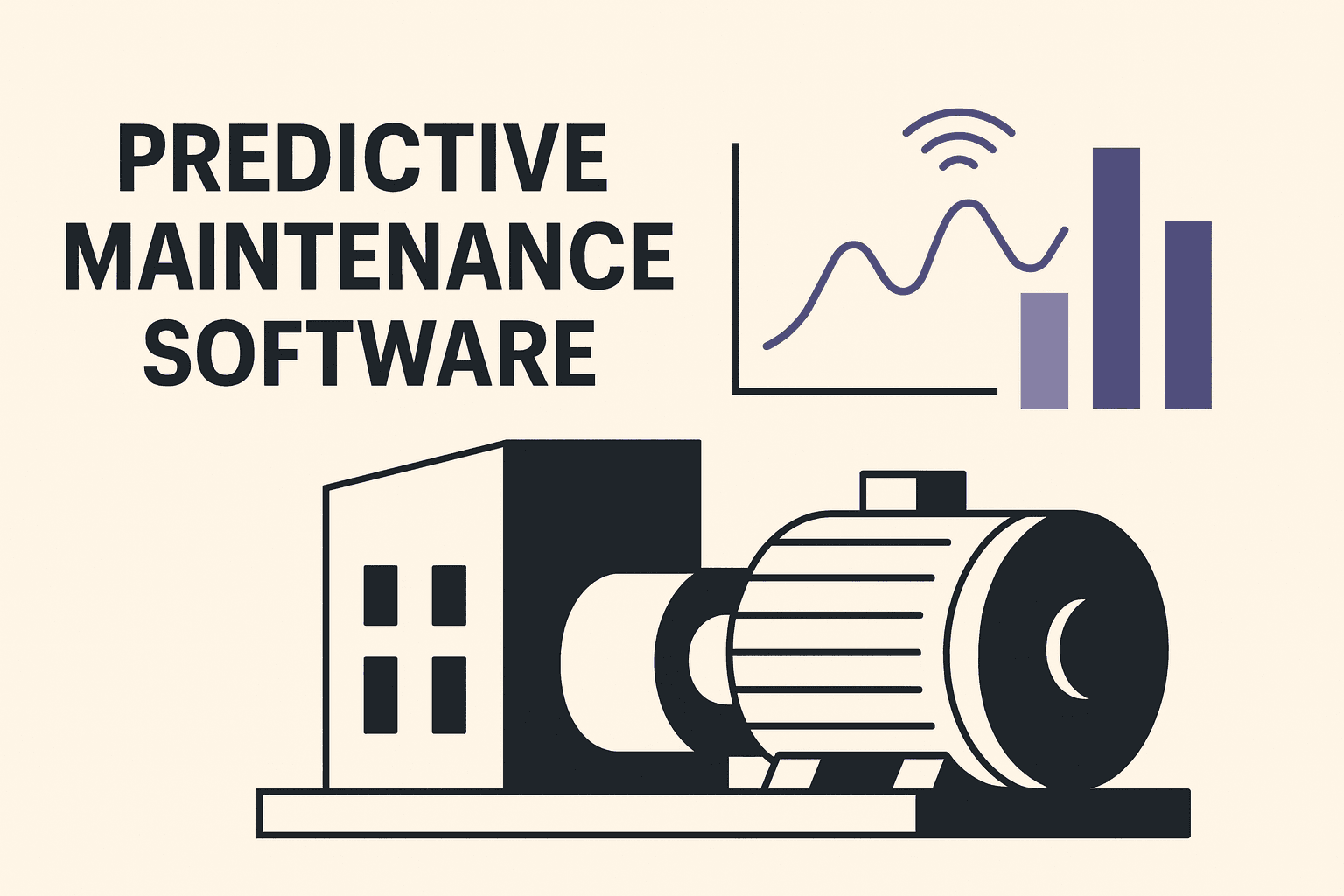
Operations and maintenance teams are under more pressure than ever to improve uptime, reduce costs, and extend equipment life. Predictive maintenance software has become one of the most effective ways to achieve these goals.
Instead of relying on time-based schedules or reacting to unexpected failures, predictive maintenance uses data, sensors, and machine learning to identify issues before equipment breaks down. This improves reliability, reduces emergencies, and enables teams to focus on strategic work instead of constant firefighting.
This guide explains what predictive maintenance software is, how it works, the benefits, key features, and what to look for when evaluating solutions.
What Is Predictive Maintenance Software?
Predictive maintenance software is a system that uses real-time equipment data and analytics to determine when an asset is at risk of failure. Instead of performing maintenance on a fixed schedule, the software predicts issues based on the actual condition of the equipment.
It typically integrates with sensors that track vibration, heat, sound, electrical signals, or pressure. The software analyzes trends, detects anomalies, and notifies maintenance teams before a failure occurs.
Predictive maintenance follows principles outlined in standards such as ISO 13374 for condition monitoring data processing.
Predictive Maintenance vs Preventive Maintenance
The difference between preventive and predictive maintenance is significant.
Preventive Maintenance:
Based on time or usage intervals
Tasks are scheduled in advance regardless of equipment condition
Reduces failures but can result in unnecessary maintenance
Requires manual planning and tracking
Predictive Maintenance:
Based on real-time equipment condition
Identifies issues before failures occur
Reduces both downtime and maintenance costs
More accurate and data-driven
Predictive maintenance is the next evolution for teams that want to move beyond basic preventive schedules.
How Predictive Maintenance Software Works
Predictive maintenance software generally follows four core phases.
1. Data Collection
Sensors monitor equipment continuously. Common data points include:
Vibration
Temperature
Pressure
RPMs
Electrical current
Acoustic patterns
Humidity
Oil quality
2. Data Transmission
Data is transmitted through:
Wi-Fi
Cellular networks
Industrial protocols (such as Modbus, MQTT, OPC-UA)
3. Analysis and Prediction
The software applies:
Machine learning models
Trend analysis
Pattern recognition
Historical comparisons
This identifies unusual behavior associated with specific failure modes.
4. Alerts and Workflows
When an anomaly is detected, the software:
Sends alerts
Assigns work to the right technician
Creates work orders
Tracks asset health history
This process enables teams to take action before critical issues occur.
Key Features of Predictive Maintenance Software
Real-Time Sensor Monitoring
The system connects to IoT sensors and continuously collects operational data.
Automated Failure Predictions
Machine learning models detect:
Bearing wear
Imbalances
Overheating
Electrical anomalies
Airflow changes
Misalignment
Gearbox issues
Automatic Alerts and Work Order Creation
When equipment risks increase, tasks are automatically created and assigned.
Asset Health Scoring
Assets receive real-time condition scores to help teams prioritize work.
Historical Trend and Performance Tracking
Teams can track degradation over time and make informed decisions about repair versus replacement.
Integration with CMMS or Facility Management Software
Predictive maintenance works best when connected to:
CMMS
Facility operations platforms
Vendor management systems
Asset registries
This ensures insights lead to real action.
Benefits of Predictive Maintenance Software
Reduced Downtime
Industry studies show predictive maintenance can reduce downtime by 30 to 50 percent, depending on equipment type.
Lower Maintenance Costs
Teams eliminate unnecessary preventive tasks and reduce emergency repairs.
Extended Asset Life
Early detection limits damage and increases the lifespan of equipment.
Better Utilization of Technicians and Vendors
Work is assigned based on need rather than rigid schedules, improving efficiency.
Improved Safety and Compliance
By catching electrical, mechanical, or pressure-related risks early, predictive maintenance reduces safety incidents.
Increased Operational Stability
Predictive systems reduce the number of surprises and help teams plan ahead.
Industries That Benefit From Predictive Maintenance
Predictive maintenance is especially effective for industries that rely on continuous operations or high-value equipment. These include:
Manufacturing
Warehouse and logistics
Hospitality
Hospitals and healthcare
Public infrastructure
Commercial buildings
Energy and utilities
Retail chains
Airports and transportation
Data centers
If downtime is expensive or operations are asset-intensive, predictive maintenance is valuable.
Examples of Predictive Maintenance in Real Facilities
HVAC System Monitoring
A vibration sensor detects an abnormal increase in a motor bearing. The system predicts the bearing will fail within weeks and creates a work order. Technicians fix the issue during scheduled downtime.
Conveyor System Monitoring
A thermal sensor identifies a gearbox that is running hotter than normal. Maintenance is scheduled immediately, preventing a multi-day production halt.
Elevator Monitoring
Door cycle data becomes inconsistent. The software identifies a pattern associated with door operator wear and alerts the maintenance team.
Cooling Tower Monitoring
Acoustic readings detect unusual noise levels. This indicates early-stage fan imbalance, allowing proactive correction.
Predictive Maintenance Software vs CMMS
Many buyers confuse predictive systems with CMMS platforms.
CMMS:
Stores asset information
Manages work orders
Schedules preventive maintenance
Tracks parts, labor, and costs
Predictive Maintenance Software:
Monitors asset condition continuously
Predicts failures based on data
Identifies specific issues early
Optimizes maintenance timing
The best solution combines both, connecting predictive insights to real operational workflows.
How to Choose Predictive Maintenance Software
When evaluating predictive maintenance solutions, consider the following criteria:
Sensor Compatibility
Ensure the system supports the needed sensor types (vibration, thermal, acoustic, electrical).
Data Processing and Analytics
Look for anomaly detection powered by machine learning, not just simple threshold alerts.
Integration Capabilities
The system should integrate with CMMS, ERP, and facility management platforms through APIs.
Work Order Automation
Insights should trigger real actions through automated workflows.
Ease of Use
Dashboards, mobile access, and clear visualization are essential for technician adoption.
Vendor and Technician Workflows
Predictive software is only effective if it connects directly to execution workflows.
Pricing Transparency
Clear pricing helps teams evaluate long-term ROI.
Conclusion
Predictive maintenance software is one of the most impactful upgrades an operations or maintenance team can make. By moving from reactive and preventive approaches to data-driven predictions, organizations reduce downtime, lower costs, and significantly improve asset reliability.
As predictive capabilities become more accessible, even small and mid-sized teams can benefit from AI-driven operational insight. Selecting a solution that integrates predictive analytics with strong work order, vendor, and asset workflows allows teams to successfully operationalize this technology.